Professionals working in central Paris are increasingly affected by changing policies in cafes. Laptop restrictions, reduced WiFi access, and time-limited seating are becoming common across busy districts. Individuals seeking reliable workspace options often review dedicated environments where structured coworking solutions support consistent productivity.
Paris cafes remain an important part of the city’s culture, but they are no longer designed to support sustained professional activity. As work requirements evolve, professionals are shifting toward environments that provide stability, infrastructure, and operational support throughout the day.
The Rise of Laptop Restrictions in Paris Cafes
Paris cafes have long been associated with creativity, conversation, and informal work culture. Over time, they also became popular among remote workers who valued the atmosphere and accessibility. However, increasing demand has led many cafe owners to reconsider how their spaces are used throughout the day.
Several factors contribute to the rise of laptop restrictions. High foot traffic in central districts such as the Golden Triangle and Champs-Élysées has increased pressure on seating availability. Cafes must balance customer turnover with maintaining a welcoming environment for dinners. Long working sessions, often involving a single purchase over several hours, can reduce revenue per table and limit availability for other guests.
Common restrictions now seen across Paris cafes include:
- Time limits on table usage during peak hours
- Designated no-laptop zones
- WiFi restrictions or removal
- Encouragement of short stays during lunch periods
These policies reflect a shift in how hospitality spaces operate. Individuals relying on cafes for work are experiencing increasing inconsistency in their daily routines. This change is driving demand for alternative environments that offer reliability without disrupting workflow.
Why Cafes No Longer Support Professional Work Needs
While cafes provide a comfortable and familiar environment, they are not designed to support sustained professional activity. The expectations of modern work require consistency, privacy, and reliable infrastructure. These elements are difficult to guarantee in a hospitality setting where the primary focus is customer service and dining turnover.
Professionals working from cafes often encounter limitations that affect productivity. Background noise fluctuates throughout the day, making it difficult to maintain focus during calls or deep work sessions. Seating arrangements are rarely optimized for extended laptop use, and access to power outlets can be inconsistent or restricted.
Additional challenges include:
- Limited or unstable internet connections
- Lack of secure environments for confidential work
- Interruptions from staff or crowded surroundings
- Difficulty conducting professional meetings
As work becomes more structured and client-facing, these limitations become more apparent. Individuals managing international clients, handling administrative tasks, or attending virtual meetings require an environment that supports professional standards. Cafes can no longer meet these expectations consistently.
This gap between environment and work requirements has accelerated the transition toward coworking spaces, where infrastructure and services are designed specifically for productivity.
Coworking Spaces as a Structured Alternative in Paris
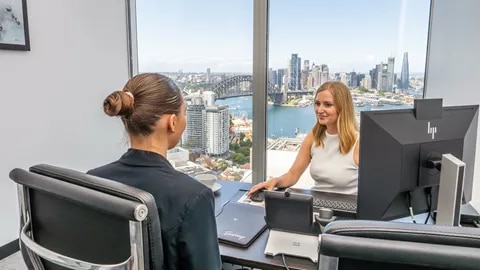
As laptop restrictions increase across Paris cafes, coworking spaces have emerged as a structured and reliable alternative for professionals. Unlike cafes, these environments are designed with work as the primary function, offering consistency that supports daily operations without disruption.
Professionals exploring dedicated workspaces in central districts can review available options where flexible coworking environments align with modern work requirements. These spaces provide access to professional infrastructure within established business areas, supporting both independent work and client-facing activities.
Coworking environments address the limitations found in cafes by offering:
- Reliable high-speed internet designed for business use
- Dedicated seating and ergonomic workstations
- Quiet zones and meeting rooms for focused work
- Access to business-grade amenities and support services
The structured nature of coworking spaces allows professionals to maintain productivity throughout the day without uncertainty. Work routines become more predictable, and the environment supports both individual output and collaborative engagement.
In Paris, where business districts continue to attract international professionals and growing companies, coworking spaces provide a practical solution that aligns with evolving workplace expectations.
The Role of Bilingual Administrative Support in Coworking
For many professionals working in Paris, particularly expats and international founders, administrative complexity can slow down daily operations. Managing local correspondence, understanding official documentation, and responding to regulatory communication requires both language proficiency and familiarity with French administrative systems.
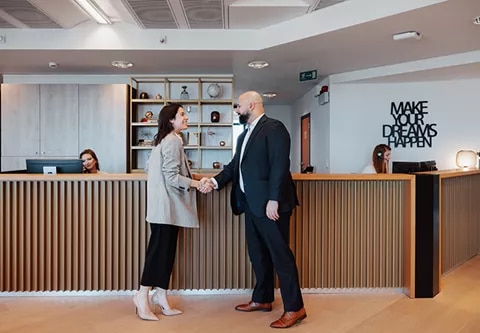
Coworking environments in premium locations often integrate bilingual administrative support to address these challenges. This support extends beyond basic reception duties and becomes part of the operational structure that enables professionals to function efficiently in a foreign market.
Key benefits of bilingual administrative support include:
- Handling incoming mail and official notices in French
- Assisting with document interpretation and responses
- Managing call handling in multiple languages
- Supporting scheduling, client coordination, and logistics
This level of support is particularly valuable for professionals dealing with administrative bodies such as URSSAF or managing compliance-related communication. It reduces friction in daily operations and ensures that important correspondence is not delayed or misunderstood.
In co-working environments, administrative services are integrated into the workspace experience. This allows professionals to focus on their core work while operational tasks are handled efficiently in the background.
Networking in Paris 8: From Cafes to Club-Style Coworking
Professional networking in Paris has traditionally taken place in informal settings such as cafes and restaurants. While these environments support casual interactions, they do not always provide the structure needed to build consistent business relationships. As professionals transition to coworking spaces, networking is becoming more intentional and integrated into the work environment.
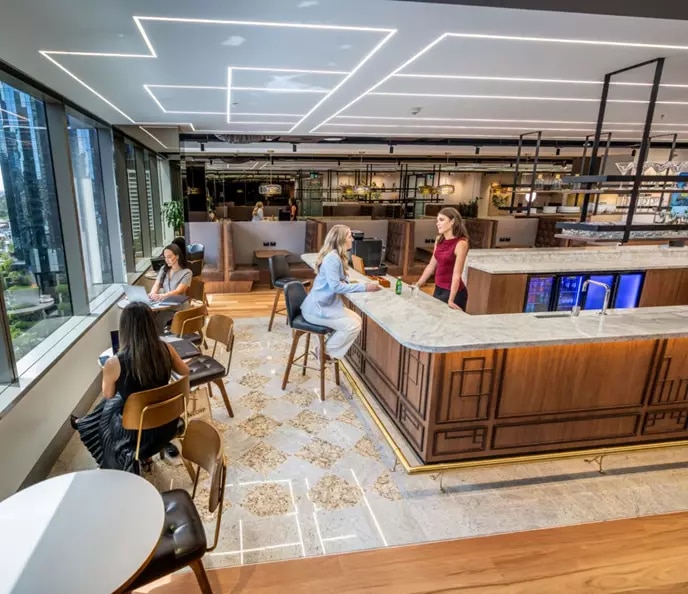
Coworking spaces in districts such as Paris 8 attract a concentration of entrepreneurs, consultants, and international teams. This creates a setting where daily proximity naturally leads to interaction, collaboration, and referrals. Unlike cafes, where visitors change frequently, coworking environments foster continuity and familiarity among members.
Structured networking benefits include:
- Access to a consistent community of professionals
- Opportunities for collaboration across industries
- Informal introductions that lead to business partnerships
- Events and meetups designed for professional engagement
The environment also supports a more professional context for conversations. Meetings can transition seamlessly from informal discussions to scheduled sessions in meeting rooms, maintaining continuity and focus.
For expats and new market entrants, this type of network accelerates integration into the local business ecosystem. Coworking spaces function as a platform for building relationships that support long-term business growth.
Why Professionals Are Transitioning Away from Cafes
The shift away from cafes in Paris reflects broader changes in how professionals approach work environments. Reliability, structure, and operational support have become essential components of daily productivity. As expectations evolve, individuals are selecting spaces that align with these requirements rather than adapting to environments that were not designed for work.
Coworking spaces provide a consistent framework that supports both individual performance and business development. The combination of infrastructure, administrative support, and professional community creates an environment where work can progress without unnecessary interruptions or limitations.
This transition is particularly visible among expats, consultants, and remote teams who require stability in their daily operations. The ability to rely on a dedicated workspace reduces friction and allows professionals to focus on output, collaboration, and client engagement.
As Paris continues to position itself as a global business hub, workspace expectations will continue to evolve. Coworking environments are increasingly aligned with these expectations, offering a practical and scalable solution for modern professionals.
Frequently Asked Questions