![banner_coworkingvsvirtual.jpg]()
Recent shifts in the commercial property market have created new opportunities for entrepreneurs, freelancers, consultants, and professionals building additional income streams. As workplace preferences continue to evolve, many professionals are exploring flexible workspace solutions that offer convenience, scalability, and access to professional business facilities.
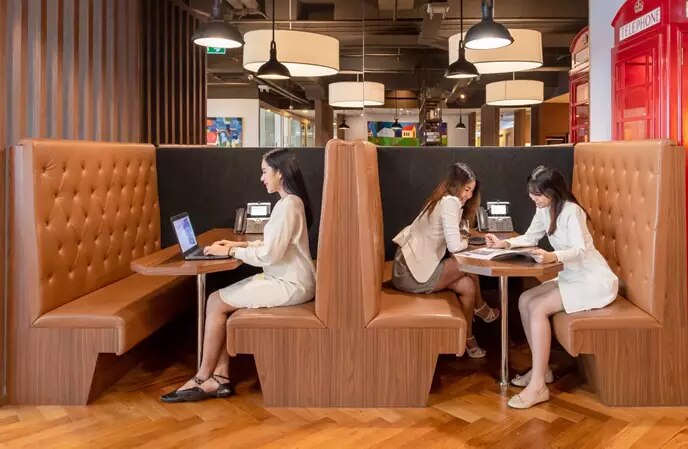
For side hustlers, securing a professional environment has become an increasingly practical way to separate client work from home life while maintaining flexibility. A dedicated coworking workspace provides access to premium business addresses, professional facilities, meeting rooms, and a productive environment without the long-term commitments associated with conventional office leases.
Many professionals begin their side projects from kitchen tables, spare bedrooms, or local cafés. Those solutions often work during the early stages. As client demands grow, collaboration increases, and revenue becomes more consistent, workspace requirements tend to evolve as well.
The expansion of premium coworking spaces reflects a broader shift in how people work. Independent professionals increasingly value flexibility, convenience, and access to high-quality business infrastructure. These factors can support productivity while helping side hustlers present a more established image to clients and business partners.
Flexible Workspace Creates New Opportunities for Side Hustlers
Commercial real estate trends often reflect changing workplace preferences and business priorities. Many organisations continue to evaluate how location, flexibility, and access to professional facilities support productivity, collaboration, and client engagement. Coworking providers have responded by offering flexible alternatives that bridge this gap. Members can access professional workspaces when needed while retaining the freedom to scale usage according to business demands.
Several factors continue to drive coworking adoption:
- Flexible membership structures
- Access to premium business locations
- Professional meeting facilities
- Networking opportunities
- Reduced operational overhead
As side hustles mature into sustainable revenue streams, workspace flexibility allows professionals to invest in growth without assuming the financial burden of a dedicated private office. This balance has become particularly valuable in competitive urban markets where premium workspace remains in high demand.
Why Workspace Quality Matters When Building a Side Hustle
The environment in which work takes place can influence productivity, client perception, and long-term business growth. While many side hustles begin as passion projects, they often require a more structured approach once client expectations, deadlines, and revenue targets become more demanding.
A professional workspace creates clear boundaries between personal and business activities. This separation helps many entrepreneurs maintain focus during working hours while reducing distractions commonly associated with home environments. The result is often a more consistent workflow and improved time management.
Workspace quality also affects how a business is perceived. Meeting a prospective client in a well-equipped professional setting can reinforce credibility and help establish trust from the outset. For consultants, freelancers, and service providers, first impressions frequently play an important role in securing new opportunities.
Key advantages of premium coworking environments include:
|
Benefit
|
Business Impact
|
|
Professional meeting spaces
|
Improved client experience
|
|
Reliable internet and facilities
|
Fewer operational disruptions
|
|
Central business locations
|
Greater accessibility
|
|
Flexible access options
|
Better cost control
|
|
Professional atmosphere
|
Increased focus and productivity
|
As side businesses become more established, workspace quality often shifts from being a convenience to becoming a practical investment that supports growth, professionalism, and operational efficiency.
Choosing a Flexible Workspace That Can Grow With Your Business
One of the biggest advantages of coworking is the ability to align workspace costs with actual business needs. Side hustles rarely follow a predictable growth pattern. Some experience rapid demand, while others expand steadily over time. Flexible workspace solutions allow professionals to adapt without being locked into long-term commitments.
Selecting the right workspace involves more than comparing monthly fees. Accessibility, available amenities, meeting room access, and community support can all influence the overall value of a membership. Professionals who regularly meet clients may prioritise presentation and location, while remote consultants may focus on workspace availability and flexibility.
Before committing to a workspace solution, it is useful to evaluate the following factors:
- Access hours and availability
- Meeting room facilities
- Business address options
- Networking opportunities
- Technology and connectivity
- Membership flexibility
Comparing available options helps ensure that the chosen workspace supports both current requirements and future growth. Businesses that anticipate increasing client activity or larger project workloads can benefit from reviewing available coworking membership options before selecting a plan.
A scalable workspace strategy allows side hustlers to maintain professional standards while preserving financial flexibility. As business needs evolve, access to additional services and workspace resources can help support continued expansion without introducing unnecessary operational complexity.
Moving Beyond the Limitations of Home-Based Work
Working from home offers convenience and affordability during the early stages of a side hustle. Over time, however, many professionals encounter challenges that can affect consistency, productivity, and business development. Limited workspace, household interruptions, and the absence of a dedicated professional environment can make it difficult to maintain momentum.
As workloads increase, the distinction between personal and professional responsibilities often becomes less clear. This overlap can lead to fragmented work sessions, reduced concentration, and difficulty managing client communications. Establishing a dedicated workspace helps create a more structured routine that supports long-term business objectives.
Common challenges associated with home-based work include:
- Frequent distractions
- Limited meeting facilities
- Difficulty separating work and personal life
- Reduced networking opportunities
- Inconsistent professional presentation
Many entrepreneurs address these challenges by transitioning to flexible workspaces that provide access to professional facilities while preserving operational flexibility. The shift often supports better workflow management and a more focused working environment.
Professionals exploring strategies for overcoming home workspace limitations should also consider how their physical environment influences productivity, client interactions, and business growth.
A dedicated workspace does not automatically guarantee success. It can, however, provide the structure and resources needed to support more effective business operations as a side hustle continues to develop.
Coworking Demand Reflects a New Era of Independent Work
Coworking spaces have become an increasingly popular option for professionals seeking flexible access to workspace, meeting facilities, and business support services. Freelancers, consultants, contractors, and business owners increasingly seek environments that combine flexibility with professional infrastructure. This trend is particularly visible in major cities where access to premium workspace remains highly competitive.
As traditional office markets evolve, flexible workspaces continue to attract professionals who value convenience, scalability, and access to business-grade facilities. Coworking environments allow individuals to establish a professional presence without the financial obligations associated with conventional office leases.
Professionals often evaluate premium workspace options based on several factors:
|
Workspace Consideration
|
Potential Benefit
|
|
Flexible work adoption
|
Greater workspace choice
|
|
Growth of freelance work
|
Increased demand for coworking
|
|
Hybrid business models
|
Need for scalable solutions
|
|
Urban workspace competition
|
Higher value placed on premium locations
|
Access to high-quality facilities can help professionals maintain a professional image and support productive day-to-day operations.
Conclusion
Flexible workspace options continue to provide professionals with alternative ways to access business facilities while maintaining operational flexibility. For side hustlers, freelancers, and consultants, access to professional workspace has become an increasingly practical way to support growth while maintaining flexibility.
A premium coworking environment provides access to professional facilities, business infrastructure, and scalable membership options that can adapt as business requirements evolve. By selecting a workspace aligned with long-term goals, professionals can create a stronger foundation for productivity, client engagement, and sustainable business development.
Frequently Asked Questions