![coworking-london-cwl-2.jpg]()
For many freelancers, working from a café starts as one of the freedoms of independent work. There is no commute to a corporate office, the surroundings feel informal, and a laptop plus a coffee can be enough to get through a few productive hours. As a freelance business grows, however, the workspace often needs to grow with it.
High-earning freelancers may spend their days managing valuable client accounts, joining confidential calls, developing proposals, negotiating contracts, or completing work that demands sustained concentration. In a busy café, background conversations, changing seating availability, limited privacy and variable connectivity can make some of those tasks more difficult.
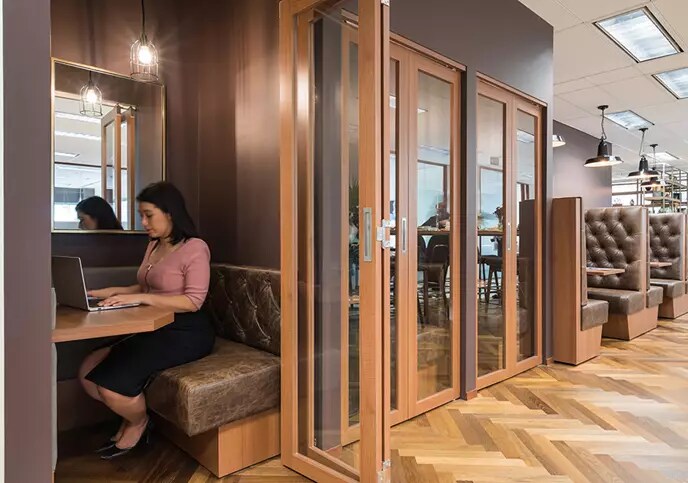
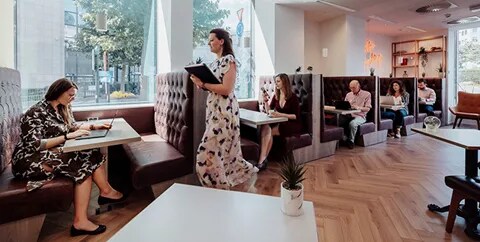
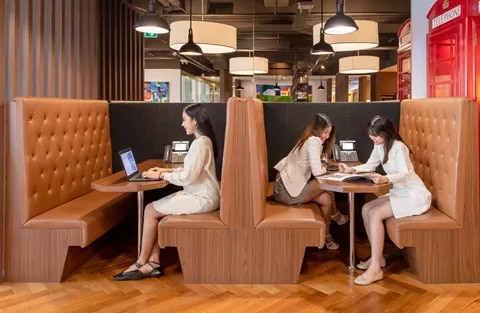
That helps explain the appeal of premium coworking. A professional location poste de travail coworking gives independent professionals access to a workspace designed around the working day, with business-grade facilities and an environment where meetings, focused work and client communication belong.
For established freelancers, the decision can come down to how effectively a workspace supports their time and professional image. A café can remain useful for an occasional change of scenery. Premium coworking can become more compelling when consistent productivity, privacy and client-facing professionalism become increasingly important to the business.
The Café Starts to Cost More When Your Time Becomes More Valuable
A €5 coffee and a free table can make café working look inexpensive. For a freelancer billing at a higher rate, however, it can also be useful to consider workspace cost in terms of productive time rather than simply the price of a seat.
Small interruptions can add up during the working day. Finding an available table, reconnecting to Wi-Fi, moving because a nearby conversation becomes distracting, or searching for somewhere suitable to take a client call can interrupt periods of focused work. For freelancers who experience these disruptions regularly, a workspace that provides more predictable working conditions may be valuable.
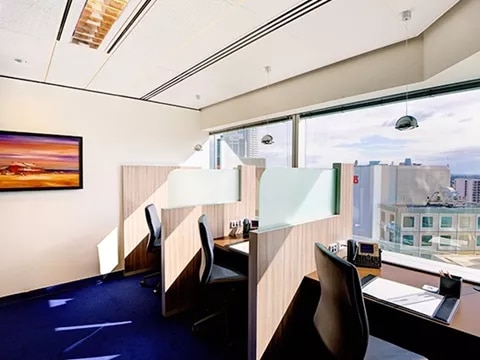
Premium coworking spaces are designed for professional work. Depending on the provider and membership, features such as reliable connectivity, appropriate desks, quieter surroundings and access to business facilities can give freelancers an environment better suited to billable or business-building activity.
This can be particularly relevant for consultants, designers, developers, marketers and other independent professionals whose work requires sustained concentration and efficient delivery. For someone billing by the hour or managing deadline-driven projects, even relatively small improvements in how effectively working time is used may influence the value they place on their workspace.
Cafés can still be enjoyable places to answer emails or handle lighter tasks. When deadlines tighten and client workloads increase, though, a predictable workspace can give freelancers greater control over how their working hours are spent.
Premium Coworking Creates a More Professional Client Experience
Freelancers often reach a point where their workspace becomes visible to clients. Video calls become more frequent, projects may involve larger budgets, and conversations can include commercially sensitive information. At that stage, the surroundings can influence how smoothly those interactions unfold.
A café offers limited control over the experience. Music, coffee machines and conversations can enter a video call without warning. Seating may place other customers within earshot, while limited space can make it difficult to keep documents and screens private. These conditions may matter more when a freelancer is discussing strategy, pricing, financial information or unreleased client work.
Premium coworking provides a setting built around professional activity. Depending on the workspace and membership, freelancers may have access to meeting rooms, quieter areas and other business facilities when they need an appropriate setting for important conversations. A well-presented environment can also give an independent professional an alternative to receiving clients in a hotel lobby or crowded café.
Professionalism does not require recreating a traditional corporate office. Freelancers can retain the flexibility that attracted them to independent work while choosing surroundings that suit higher-value assignments.
As client relationships become more established, having somewhere dependable to work and meet can help create a more organized working routine, particularly when a freelancer needs to move comfortably between concentrated work, calls and face-to-face meetings.
Privacy and Focus Become Business Requirements
A freelancer handling larger projects may work with information that should not be exposed to the people sitting at the next table. Client presentations, contracts, campaign plans, financial documents and internal communications can all appear on screen during an ordinary working day.
Cafés provide limited control over who can see or hear that information. Even with headphones and careful screen positioning, confidential calls can be difficult when tables are close together. The issue may become more noticeable when several meetings are scheduled during the day, or a project requires long periods of uninterrupted concentration.
Premium coworking gives freelancers greater choice over how they structure different types of work. A quiet workspace can be used for focused assignments, while suitable meeting or call facilities may be available when conversations require greater privacy. That separation can create clearer working conditions without requiring the freelancer to maintain a permanent private office.
Freelancers can also plan demanding tasks for periods when they know they will have access to a suitable desk, dependable internet connection and surroundings intended for work. For some professionals, that predictability can reduce the need to continually adapt their working arrangements throughout the day.
For professionals whose reputation depends on accuracy, discretion and meeting deadlines, greater control over the working environment can become a practical consideration when deciding where to complete important client work.
Premium Coworking Lets Freelancers Build a More Flexible Workweek
Moving away from cafés does not mean freelancers need to spend five days a week in the same office. One of the practical advantages of coworking is the ability to match the workspace to the type of work planned for that day.
A freelancer might use home for administrative tasks and quieter mornings, then choose a coworking space for concentrated project work, client calls or meetings. This can create a flexible routine without depending on finding a suitable café whenever working away from home.
For some independent professionals, two or three coworking days each week may provide enough structure. Those days can be reserved for demanding assignments, collaboration and conversations that benefit from professional surroundings. The remaining days can stay flexible according to workload and personal preferences.
This approach can be especially useful for freelancers balancing several clients or developing a side business alongside other commitment. A deliberate coworking strategy can provide dedicated periods for high-value work while avoiding the commitment of maintaining a conventional full-time office.
The result is a workweek built around purpose. Instead of choosing a workspace based on whichever table happens to be available, freelancers can decide where to work according to concentration needs, meetings, deadlines and the type of tasks ahead.
A Professional Environment Can Expand a Freelancer’s Business Network
Working independently does not mean every part of the business needs to happen alone. Freelancers still build relationships with clients, suppliers, specialists and other professionals, and a shared professional environment can create opportunities for interaction.
Cafés offer plenty of social activity, but most people are there for reasons unrelated to business. A coworking space places freelancers in an environment shared by people who are also working, running companies or managing professional responsibilities. This can create more opportunities for professionally relevant conversations.
Freelancers should not expect every person at the next desk to become a client. The potential value is more subtle. Shared professional environments can provide opportunities for introductions, knowledge sharing and conversations with people from different industries. A marketing consultant, for example, may encounter a designer whose expertise complements a project, while a developer may meet a business owner looking for technical insight.
There can also be value in simply working around other professionals. Freelancing from home or moving between cafés can offer significant independence, while coworking provides an alternative for freelancers who prefer some of the social interaction of a professional workplace without giving up control over their schedules.
For established independent professionals, that combination can make premium coworking a useful base for both focused work and broader professional interaction.
Frequently Asked Questions