![central-park-perth-coworking-555x416.jpg]()
Professionals across Paris are increasingly choosing Servcorp Paris Coworking Spaces as a workspace solution that supports concentration, flexibility, and business growth. As more people launch side hustles, build passion projects, and pursue freelance jobs alongside traditional careers, the ability to focus has become a valuable professional advantage.
Modern work environments have changed dramatically. Remote work has expanded opportunities for freelancers, consultants, creators, and entrepreneurs. At the same time, many professionals have discovered that home offices and public cafés often create distractions that limit productivity. Noise, interruptions, and inconsistent work conditions can make it difficult to sustain deep focus for extended periods.
This challenge has increased interest in acoustic architecture, a design approach that helps create environments optimized for concentration and cognitive performance. Within high-quality coworking spaces, acoustic planning plays an important role in supporting deep work while maintaining the flexibility professionals expect from modern workplaces.
For freelancers managing multiple clients, side gig operators developing new revenue streams, and entrepreneurs transforming passion projects into growing businesses, workspace quality can directly influence output, efficiency, and long-term success.
Why Deep Work Matters for Freelancers, Side Hustles, and Passion Projects
The ability to perform deep work has become one of the most important professional skills in today’s knowledge economy. Whether someone is managing freelance jobs, building a side project, or growing a side hustle into a full-time business, sustained concentration often determines the quality and speed of output.
Many professionals spend their day switching between emails, notifications, meetings, and messages. While these interruptions may seem minor, research consistently shows that frequent task switching reduces productivity and increases mental fatigue. Rebuilding focus after an interruption requires time, making it difficult to maintain momentum on complex tasks.
Deep work creates a different working experience. It allows professionals to dedicate uninterrupted attention to activities that generate meaningful results.
Key examples include:
- Strategic planning and business development
- Client proposals and consulting work
- Creative design and content production
- Research, analysis, and technical projects
As side hustles and passion projects become increasingly common across Paris, professionals are searching for environments that support concentration rather than compete for attention. The quality of the workspace itself has become an important factor in professional performance.
Acoustic Architecture in Paris Coworking Spaces and the Science of Concentration
Acoustic architecture refers to the intentional design of a workspace to manage sound, reduce distractions, and support concentration. In professional environments, it plays a significant role in determining how effectively people can focus on cognitively demanding tasks.
Noise is one of the most common workplace productivity challenges. Conversations, phone calls, movement, and environmental sounds can interrupt thought processes and reduce efficiency. While occasional distractions may seem manageable, constant background noise can have a cumulative effect on focus and mental energy.
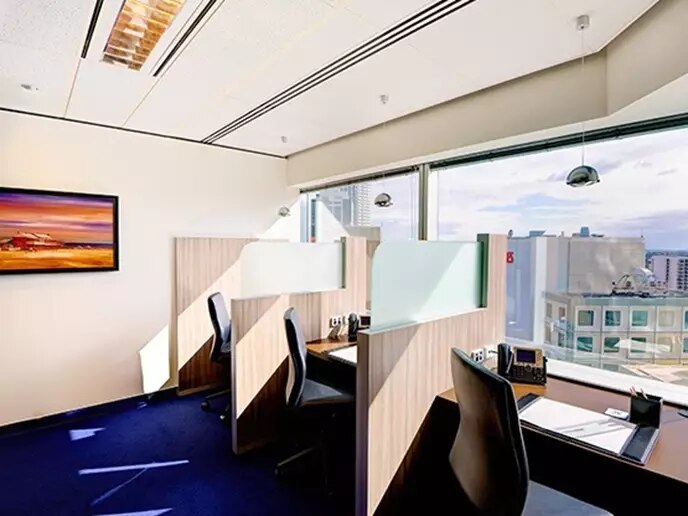
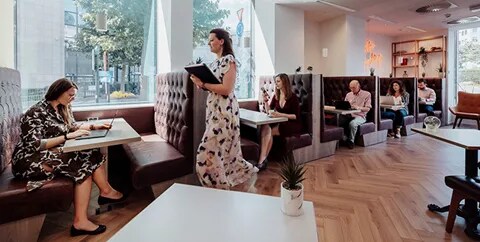
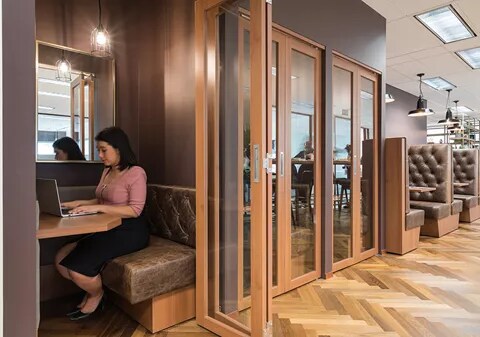
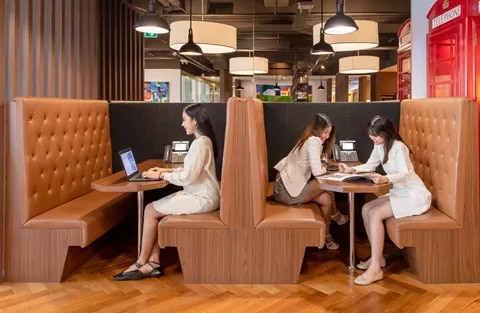
Well-designed coworking spaces address these challenges through a combination of layout planning, materials, and dedicated work zones.
|
Acoustic Element
|
Purpose
|
|
Sound-absorbing materials
|
Reduce echo and background noise
|
|
Quiet focus zones
|
Support deep work sessions
|
|
Meeting room separation
|
Limit disruption from discussions
|
|
Strategic workspace layout
|
Minimize sound transfer
|
For freelancers, consultants, and professionals working on side projects, these design elements create a more productive environment. Tasks that require concentration become easier to complete when distractions are reduced and the workspace actively supports cognitive performance.
Why Home Offices and Cafés Limit Freelance Productivity
Many freelancers begin their journey working from cafés or home offices. These environments provide convenience and low costs, making them attractive options during the early stages of a side hustle or freelance business.
Over time, however, limitations become more apparent. Home environments often contain personal distractions, household responsibilities, and interruptions that break concentration. Cafés introduce a different set of challenges, including fluctuating noise levels, limited privacy, and inconsistent work conditions.
Common productivity barriers include:
- Unpredictable noise levels
- Frequent interruptions
- Limited privacy for client calls
- Difficulty maintaining structured routines
For professionals managing client relationships, conducting virtual meetings, or working on high-value projects, these limitations can affect both productivity and professionalism.
As businesses grow, many freelancers begin seeking environments that combine flexibility with stronger operational support. Coworking spaces provide a middle ground that preserves freedom while creating conditions that support deeper and more consistent work.
Coworking Spaces for Side Hustles, Side Projects, and Freelance Jobs in Paris
The growth of side hustles has created demand for work environments that support both flexibility and professional performance. Entrepreneurs developing side projects often need access to reliable infrastructure without committing to long-term office leases.
Coworking spaces address this need by providing professional environments that can scale alongside business growth. Freelancers gain access to meeting rooms, business-grade internet, workspace flexibility, and networking opportunities that would otherwise require significant investment.
Benefits include:
- Professional working environment
- Flexible membership options
- Access to business facilities
- Opportunities to collaborate with other professionals
For individuals building freelance careers, coworking spaces provide a clear separation between work and personal life. This structure helps improve discipline and supports consistent business development.
Many professionals find that the transition from a casual workspace to a dedicated coworking environment helps accelerate growth by improving both productivity and professional perception.
Workspace Design, Focus, and Business Performance
Workspace design influences far more than appearance. It affects concentration, communication, energy levels, and overall work quality. High-performance coworking spaces incorporate design principles that support productivity while maintaining comfort and flexibility.
Elements such as lighting, layout, acoustics, and furniture all contribute to the user experience. When these elements work together effectively, professionals can maintain focus for longer periods and complete complex tasks more efficiently.
Effective workspace design supports:
- Concentration and focus
- Professional meetings
- Team collaboration
- Individual productivity
For freelancers and side hustle operators, these benefits translate directly into business outcomes. Better focus often leads to higher-quality work, improved client satisfaction, and greater capacity to manage multiple projects simultaneously.
As competition continues to increase across professional services industries, workspace quality is becoming an increasingly important factor in maintaining performance and long-term growth.
Why Paris Professionals Are Choosing Flexible Workspaces in 2026
Professionals in Paris are increasingly evaluating workspaces based on productivity rather than location alone. The conversation has shifted from simply finding a desk to identifying environments that support meaningful work and sustainable business growth.
Freelancers, consultants, creators, and entrepreneurs are prioritizing factors such as acoustic comfort, workspace flexibility, meeting facilities, and professional infrastructure. These features help support both day-to-day operations and long-term business objectives.
Key decision factors include:
- Ability to focus without distractions
- Access to professional meeting spaces
- Flexible workspace arrangements
- Opportunities for networking and collaboration
This shift reflects broader changes in how people work. Side hustles, passion projects, and freelance businesses continue to grow, creating demand for environments that support deep work and professional development.
Coworking spaces designed around productivity and user experience are increasingly positioned to meet these expectations and support the next generation of independent professionals.
Frequently Asked Questions